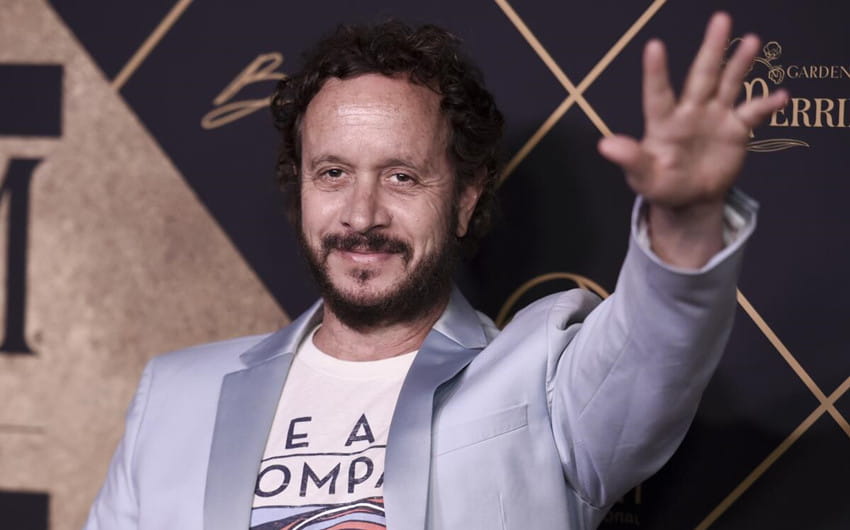
Pauly Shore Biography: MTV Weasel Star, Comedy Store Legacy, Family, Net Worth
Pauly Shore turned a goofy, surfer-slang alter ego into a full-on 1990s pop-culture brand—then spent the years after that proving he wasn’t just a one-decade joke. This Pauly Shore biography covers the essential facts (age, height, family, and net worth) and the bigger story behind them: how growing up around The Comedy Store shaped his voice, how MTV made him famous, and how he’s kept working long after the “Weasel” era peaked.
Basic Facts About Pauly Shore
- Full name: Paul Montgomery Shore
- Born: February 1, 1968
- Birthplace: Beverly Hills, California, USA
- Age: 57 (as of January 2026)
- Height: Commonly listed around 5 ft 7 in (about 171 cm)
- Occupation: Comedian, actor, filmmaker
- Nicknames/personas: “The Weasel”
- Best known for: Encino Man, Son in Law, In the Army Now, Bio-Dome
- Parents: Sammy Shore (comedian), Mitzi Shore (Comedy Store owner)
- Siblings: Scott, Peter, and Sandy
- Relationship status: Not publicly known to be married
- Children: None publicly reported
- Estimated net worth: About $30 million (public estimate; varies by outlet)
Early Life: Beverly Hills Kid, Comedy Club Childhood
Pauly Shore’s origin story is unusual, even for Hollywood. He wasn’t raised around movie sets as much as he was raised around comedians—specifically, the kind of comedians who were still hungry, still grinding, and still figuring out how to turn chaos into something funny. He was born in Beverly Hills and grew up in a Jewish household where entertainment wasn’t some distant dream. It was the family business.
His parents were both connected to comedy in real ways. His father, Sammy Shore, worked as a comedian, and his mother, Mitzi Shore, became a legendary figure as the owner and operator of The Comedy Store in Los Angeles. That environment shaped Pauly’s sense of humor early. Imagine being a kid who sees rising comics passing through constantly, testing jokes, bombing, recovering, and coming back the next night anyway. That kind of daily exposure teaches you two things fast: timing matters, and confidence is everything.
Pauly has described growing up around the club scene, and it’s easy to see how that would create a very specific kind of personality—someone comfortable with noise, attention, and people trying to “win the room.” The Comedy Store wasn’t just a location in his life. It was like a second home that trained him without formally training him.
The Comedy Store Legacy: Mitzi Shore’s Influence on Pauly’s Path
Mitzi Shore wasn’t simply “a club owner.” In stand-up history, she’s viewed as one of the most influential gatekeepers of modern comedy, because The Comedy Store helped launch and shape generations of major names. After her divorce from Sammy Shore, she took control of the club in the 1970s and built it into a powerhouse—equal parts proving ground and comedy institution.
For Pauly, that legacy came with benefits and pressure. The benefit was obvious: access. He could watch great performers up close, meet comics, and absorb the rhythms of stand-up without having to beg his way into the scene. But the pressure was real too. When your family name is connected to a legendary club, people assume your success is “handed to you.” That meant Pauly had to develop a persona strong enough to stand on its own.
That’s where his famous character work comes in. Instead of trying to act like a traditional, cool, serious comic, he leaned into something exaggerated and ridiculous—then made it work.
Starting Stand-Up Young: Finding His Voice at 17
Pauly Shore started performing stand-up as a teenager. That’s important because it shows he wasn’t just a “comedian’s kid” who waited for a free pass. He got onstage early and learned the hard lesson every comic learns: the crowd doesn’t care who your mom is if you’re not funny in the moment.
In his early years, he developed the foundation of what would become his signature: a hyperactive, slang-heavy, slightly clueless persona that sounded like a California beach stereotype turned into a walking catchphrase. Some people loved it instantly. Others couldn’t stand it. But both reactions meant the same thing in entertainment: people remembered him.
That persona eventually became “The Weasel,” and once that clicked, Pauly had a brand that was loud enough to break out of comedy clubs and into mainstream media.
MTV Breakthrough: The Weasel Goes National
Pauly Shore’s big mainstream breakthrough came through MTV. In the late 1980s and early 1990s, being an MTV VJ mattered. MTV was a cultural engine—music, fashion, slang, youth trends, and celebrity all blended together. If you became a recognizable face on MTV, you weren’t just “on TV.” You were in the bloodstream of pop culture.
Pauly’s on-air style was built for that era: fast, playful, and unapologetically goofy. He wasn’t trying to sound like a journalist. He sounded like a hyper friend who could talk to anyone, flirt with the camera, and make a segment feel like hanging out. He hosted MTV content, appeared in big seasonal programming like Spring Break coverage, and became a familiar face for young viewers who didn’t care about “serious” and just wanted energy.
MTV also amplified his slang. Once a catchphrase hits the right audience at the right time, it spreads. And Pauly’s persona was basically made of catchphrases.
The 1990s Movie Run: From Encino Man to a Full Pauly Era
If MTV introduced Pauly Shore to a national audience, movies made him a recognizable star. His breakout film role came with Encino Man (1992), where he played Stoney—a friendly, spacey, surfer-ish character who became one of the most quoted comedic types of the decade. The movie also became a key early role for Brendan Fraser, which is part of why Encino Man still gets revisited by fans of ‘90s comedy.
From there, Pauly headlined a stretch of films that defined his public image:
- Son in Law (1993): A fish-out-of-water comedy where his oddball charm is the main engine.
- In the Army Now (1994): A broader, louder comedy that leaned into his “chaos with a grin” persona.
- Jury Duty (1995): More exaggerated, more “Pauly as a cartoon human,” which became his brand.
- Bio-Dome (1996): A cult favorite for some fans, and a symbol of how over-the-top ‘90s comedy could get.
It’s also worth noting that Pauly didn’t stay strictly in live-action comedy. He voiced Bobby Zimuruski in A Goofy Movie (1995) and returned for the sequel, which shows how his voice and persona were strong enough to work even when you couldn’t see his face.
Critics vs. Fans: Why His Reputation Is Complicated
Pauly Shore is one of those entertainers who had a clear split between critical reception and audience attachment. Critics often trashed his films, but the movies still lived on through cable reruns, VHS collections, and the kind of “sleepover comedy” nostalgia that critics don’t control.
For fans, Pauly’s work captured a very specific ‘90s mood: loud, dumb, harmless fun with a weirdly sweet center. His characters were rarely mean. They were annoying, sure, but usually in a way that felt playful, not cruel. And for a lot of people, that’s why the films are still watchable. They feel like a time capsule from an era when comedy didn’t always have to be edgy to be memorable.
Another reason his legacy lasted is that he committed fully to the persona. Some actors wink at the audience like they’re embarrassed. Pauly leaned in so hard that you either accepted the “Weasel world” or you didn’t. That commitment turned him into a true pop-culture type, not just an actor in a few movies.
Life After the Peak: Stand-Up, Independence, and Reinvention
After the biggest studio era cooled down, Pauly didn’t disappear. Instead, he shifted into the lane many comedians return to when Hollywood changes its taste: stand-up, touring, and independent projects. That pivot is important because it reveals something real about him. He wasn’t only chasing movie fame. He was chasing comedy, period.
In the 2000s, he leaned into more self-driven work, including writing, producing, and directing. One of his most notable projects from that period is Pauly Shore Is Dead (2003), a semi-autobiographical mockumentary that played with his public image and the idea of celebrity fading. Even if someone doesn’t love it, the concept shows self-awareness. He understood his career story had become a narrative people joked about, and he was willing to joke about it first.
He also stayed active with appearances, voice work, guest spots, and a steady presence in comedy spaces. Pauly’s career after the ‘90s is less about one giant hit and more about long-term survival—staying booked, staying relevant to live audiences, and keeping his name in the comedy ecosystem.
The “Comedy Store Kid” Identity: Why He Still Feels Connected to the Scene
Even when Pauly isn’t starring in studio films, he still feels like part of comedy history because his life is tied to a legendary venue. The Comedy Store isn’t just where he hung out—it’s where comedy giants tested material, fought for stage time, and built careers. Pauly grew up around that atmosphere, which gave him a unique sense of belonging in the stand-up world.
That connection also explains why other comedians often speak about him with a mix of teasing and respect. He’s an easy target for jokes because his ‘90s persona was so specific. But he’s also someone who has been around comedy his entire life and continues to work in it. In stand-up culture, longevity counts.
Personal Life: Family, Privacy, and Relationships
Pauly Shore’s family background is one of the most defining facts about him. His mother, Mitzi Shore, was a major figure in comedy history, and her death in 2018 was widely covered, with tributes highlighting her influence on decades of comedians. His father, Sammy Shore, also had a long comedic life and remained part of Pauly’s story. Pauly also has siblings—Scott, Peter, and Sandy—who are part of the Shore family legacy connected to The Comedy Store.
When it comes to Pauly’s own relationships, he has generally kept his private life more private than many celebrities of his era. He is not publicly known to be married, and there are no widely confirmed public reports of him having children. Like a lot of comedians, he tends to put more of his personal truth into his comedy voice than into tabloid-style public updates.
Net Worth: How Much Is Pauly Shore Worth?
Pauly Shore’s net worth is not something you can “prove” through one official public document, because entertainer finances involve private contracts, royalties, and assets that aren’t fully visible. Still, one of the most commonly cited public estimates puts his net worth around $30 million, based on his long entertainment career and continued work.
His wealth typically comes from several areas:
- Film earnings: Studio comedies during his peak era and continued acting work afterward.
- Stand-up touring: Live comedy remains a major income stream for many comedians.
- Royalties and licensing: Ongoing value from films that continue to be watched and distributed.
- Writing/producing/directing: Projects where he holds more creative control can also create longer-term value.
The bigger takeaway is that Pauly has made money in waves: big visibility in the ‘90s, then steady work across comedy and media for decades. That type of career often produces long-term financial stability, even without constant blockbuster roles.
Legacy: Why Pauly Shore Still Gets Talked About
Pauly Shore’s legacy is larger than a handful of ‘90s comedies. He represents a whole era of youth culture—MTV slang, baggy shorts, goofy confidence, and comedy that didn’t always care about being “cool.” He also represents something more personal: a comedy-life story shaped by The Comedy Store, where he watched greatness up close and then tried to build his own version of it.
Even people who don’t like his movies usually know exactly who he is. That kind of cultural footprint is rare. And for fans, his work still feels like comfort food—a reminder of a time when comedy was silly, loud, and unapologetically weird.
Today, the “Weasel” may not dominate pop culture the way it once did, but Pauly Shore’s name still holds meaning. He’s a living piece of comedy history, tied to an iconic club, a distinct character, and an era of entertainment that refuses to fully fade away.
image source: https://www.latimes.com/entertainment-arts/story/2023-03-13/pauly-shore-is-dreaming-hollywood-comeback