Irene Ryan Biography: Age, Height, Husbands, Beverly Hillbillies Fame, and Net Worth
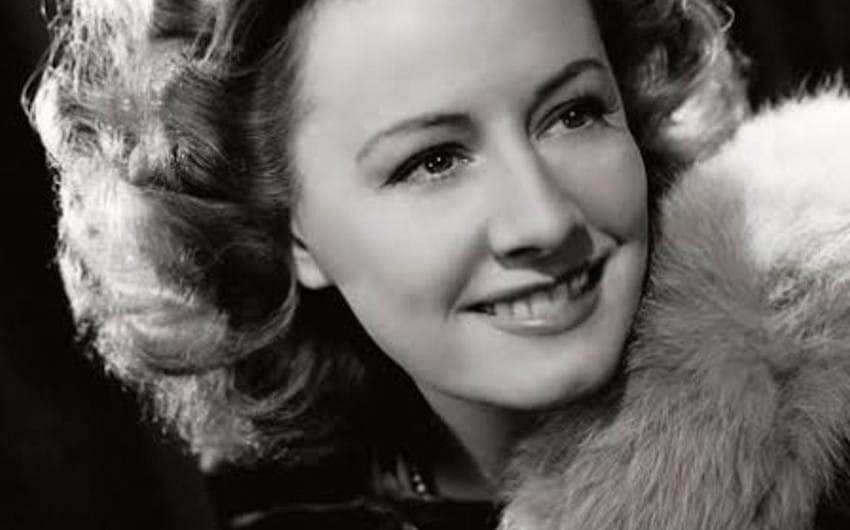
Irene Ryan is remembered as the sharp-tongued, warm-hearted “Granny” from The Beverly Hillbillies, but her life story stretches far beyond one iconic role. This Irene Ryan biography covers the basic facts people want most—age, height, family, and net worth—while also telling the fuller journey of a performer who worked her way through vaudeville, radio, film, television, and Broadway before becoming a household name in her 60s.
Basic Facts About Irene Ryan
- Full name: Irene Noblitt (also known as Jessie Irene Noblitt in some records)
- Known as: Irene Ryan
- Born: October 17, 1902
- Birthplace: El Paso, Texas, USA
- Died: April 26, 1973
- Age at death: 70
- Height: Commonly listed around 5 ft 2 in (about 1.57 m), though not officially confirmed everywhere
- Profession: Actress, comedian, singer/performer
- Years active: 1913–1973
- Famous for: Daisy May “Granny” Moses on The Beverly Hillbillies (1962–1971)
- Husbands: Tim Ryan (m. 1922, div. 1942); Harold E. Knox (m. 1946, div. 1961)
- Children: None
- Estimated net worth: About $2 million (estimated; varies by source)
Early Life: A Texas Birth and a San Francisco Childhood
Irene Ryan was born in El Paso, Texas, but much of her upbringing and early performing life is tied to San Francisco. Her family background was modest, and like many entertainers from the early 1900s, she didn’t grow up with a clear “show business pipeline.” Instead, she entered performance the old-fashioned way: by being brave enough to get onstage and talented enough to make people remember her.
One of the most charming details from her early years is that she began performing as a child. She reportedly won a small cash prize in an amateur contest for singing—an early hint that she wasn’t shy about entertaining a crowd. In that era, a child performer didn’t become “famous overnight.” You became good by doing it repeatedly, learning the rhythms of live audiences, and building confidence in public.
That early start mattered. Even decades later, when she played Granny on television, her timing still carried that live-performance sharpness. She knew how to pause, punch a line, and react in a way that made the joke land harder.
Vaudeville Years: Learning Comedy the Hard Way
Before television made stars visible in every living room, vaudeville was one of the main proving grounds for comedy and variety performers. It was fast, competitive, and unforgiving. If the audience didn’t like you, they didn’t politely wait for you to improve. They let you know immediately.
Irene Ryan thrived in that world because she had two crucial skills: she could be funny, and she could be durable. Vaudeville performers traveled constantly and performed for crowds that changed every night. That lifestyle builds discipline, but it also builds instincts. You learn what people respond to, what they ignore, and what they love enough to remember.
This is where Irene developed the kind of comedy confidence that later made her so believable as Granny. Granny wasn’t just “an old lady saying funny lines.” She was a character who dominated scenes—bold, fearless, and always ready with a comeback. That energy doesn’t come from nowhere. It comes from years of learning how to hold an audience.
Marriage to Tim Ryan: The “Tim and Irene” Comedy Partnership
In 1922, Irene married writer and comedian Tim Ryan. Together, they performed as a double act known professionally as “Tim and Irene.” Their partnership fit a common entertainment pattern of the time: a comedy duo where the back-and-forth created a recognizable rhythm. These teams weren’t just “two people sharing a stage.” They were carefully built routines, tested on audiences until every line hit at exactly the right moment.
Their act became successful enough to expand into film shorts and radio work. In the 1930s, short comedies were a big deal—bite-sized entertainment that played in theaters and kept performers visible. Irene’s on-screen style during those years helped shape the kind of character roles she would later take: expressive, slightly frantic at times, and perfect for comedic reactions.
Despite their professional success, the marriage ended in divorce in 1942. Irene kept the last name “Ryan,” which remained her identity for the rest of her career. Importantly, she had no children, and her life stayed centered on work, touring, and performance.
Radio, Film, and the Busy Middle of a Long Career
Many people only remember Irene Ryan from television, but by the time she became Granny, she had already lived multiple entertainment lives. She worked in radio, film, and stage settings, often playing comedic characters that made her instantly recognizable even when she wasn’t the “main star.”
She appeared in a wide range of films, typically in supporting roles, and built a reputation as a reliable comedic presence. This kind of career is often underrated. Not everyone becomes a glamorous top-billed movie star, but character performers are the people who make scenes work. They add texture, personality, and humor that help a story feel real.
Irene also toured with Bob Hope, which says a lot about her professional standing. Hope’s tours and shows relied on performers who could handle live audiences and move quickly through material. Being part of that circle reinforced Irene’s identity as a strong, seasoned entertainer who knew how to get laughs consistently.
Second Marriage: Harold E. Knox
In 1946, Irene Ryan married Harold E. Knox, who worked in film production. Their marriage lasted 15 years and ended in divorce in 1961. The relationship is not discussed as loudly in pop culture as her marriage to Tim Ryan, largely because it wasn’t part of a public duo identity. Still, it’s part of her personal story: she built a life while maintaining a demanding career, and she did it during an era when women’s careers were often treated as optional.
Like many entertainers who spent decades on the road and on sets, Irene seemed to live a life where work and independence mattered. Even without children, she carried the kind of responsibilities that come with a long career: staying employable, staying sharp, and staying ready for the next opportunity.
The Beverly Hillbillies: Becoming “Granny” and Becoming a Legend
In 1962, Irene Ryan was cast as Daisy May “Granny” Moses on The Beverly Hillbillies. The show’s premise was simple and brilliant: a rural family becomes suddenly wealthy and moves to Beverly Hills, clashing with high-society expectations while staying proudly themselves.
Granny quickly became one of the most beloved characters on the series. She was stubborn, suspicious of “fancy” people, protective of her family, and always ready to argue. What made Irene’s performance special is that she didn’t play Granny as a soft, gentle grandmother stereotype. She played her as a full personality—tough, loud, and emotionally real, even when the situation was ridiculous.
Another fun detail fans love is the age math. Irene Ryan was only a few years older than Buddy Ebsen, who played Jed Clampett, her on-screen son-in-law. Yet she was so convincing in the role that audiences never questioned it. That’s the power of performance: voice, posture, timing, and attitude can sell an age difference better than makeup ever could.
Her work as Granny earned Emmy nominations, proving that the industry recognized what audiences already knew. She wasn’t just a comedic sidekick. She was one of the core engines of the show’s success.
Why Granny Worked: Comedy With Authority
Some sitcom characters are funny because they’re clueless. Granny was funny because she was confident. She believed in her own logic, even when the world around her called it outdated. That confidence gave her jokes weight. When Granny threatened someone with a shotgun, it wasn’t just a gag—it felt like she meant it.
Irene Ryan played Granny with a balance of humor and seriousness that made the character pop. She could deliver a line that sounded sweet, then turn around and fire off an insult with perfect timing. She could be caring in one moment and wildly dramatic in the next. That range kept Granny from becoming repetitive.
It also helped that Irene had deep roots in live comedy. She knew how to “listen” in a scene, not just talk. Her reactions—eye rolls, suspicious stares, sudden excitement—were as funny as her dialogue.
Broadway Triumph: Pippin and a Tony Nomination
Late in her career, Irene Ryan proved she wasn’t only a television star. In 1972, she appeared on Broadway in Pippin, playing Berthe, the bold grandmother character who delivers the memorable number “No Time at All.”
Her performance earned a Tony Award nomination for Best Featured Actress in a Musical—an extraordinary achievement, especially for someone who was already a TV icon. It was a reminder that Irene wasn’t a one-role performer. She was a full professional with stage strength, comedic control, and the ability to command attention in any format.
For many fans, this Broadway chapter adds a deeper layer to her story. She didn’t coast on sitcom fame. She kept challenging herself. She kept working. And she kept proving she belonged in top-level entertainment spaces.
Health Struggles and Death
During her run in Pippin, Irene Ryan suffered a serious health episode that led to medical evaluation and hospitalization. She was eventually diagnosed with an inoperable brain tumor, specifically glioblastoma. Irene Ryan died on April 26, 1973, in Santa Monica, California, at age 70.
Her death was widely felt because she had become such a familiar face on television. Viewers didn’t just see her as an actress—they saw her as part of their routine. And in the early 1970s, when TV stars felt closer to the public than ever, losing someone like Irene felt personal to many fans.
Family and Personal Life: Did Irene Ryan Have Children?
No—despite being famous for playing a grandmother, Irene Ryan had no children. Her first marriage to Tim Ryan ended in divorce, and her second marriage to Harold E. Knox also ended in divorce. She is often described as a performer who spent most of her life working, touring, and staying active in entertainment.
She did have family in the sense of relatives and siblings, but her public identity wasn’t built around a big household. Instead, her “family” was often the world of performers and colleagues—people she worked with repeatedly across radio, film, television, and stage.
Net Worth: How Much Was Irene Ryan Worth?
Irene Ryan’s exact net worth was never officially published in a single confirmed figure, especially because entertainer finances in the mid-1900s weren’t as publicly documented as they are today. Still, most modern estimates place her in the low millions.
A reasonable estimated range for Irene Ryan’s net worth at the time of her death is around $2 million (with some estimates a bit lower or higher). Her earnings would have come from multiple long-term streams:
- Television salary: A steady paycheck during the peak years of The Beverly Hillbillies
- Film work: Supporting roles across multiple decades
- Stage and touring: Vaudeville, live performances, and later Broadway work
- Radio appearances: A major entertainment income source in her earlier era
It’s also important to remember that classic-era performers often had different contract structures than modern celebrities. Royalties and long-term profit participation were not always as generous as today’s deals. Even so, Irene’s decades-long career and major TV role likely gave her strong financial stability for her time.
Legacy: The Irene Ryan Scholarship and Her Long Shadow in Comedy
Irene Ryan’s legacy didn’t end with reruns. Her name lives on through the Irene Ryan Acting Scholarship, connected to the American College Theatre Festival, which has helped support young actors for generations. That scholarship reflects something true about Irene’s life: she was a working performer who understood how hard it is to build a career in the arts.
And of course, her biggest cultural legacy remains Granny. Even people who have never watched a full episode of The Beverly Hillbillies often recognize the character type: the fearless older woman who doesn’t care what anyone thinks and says exactly what’s on her mind. Irene helped define that energy for television, and you can still see echoes of it in sitcoms and comedies that came later.
Ultimately, Irene Ryan’s story is about timing, endurance, and talent. She didn’t become a national icon at 25. She became one at 60—after decades of building skills, sharpening her comedy, and staying ready for the role that finally matched her power. That kind of career is rare, and it’s why her name still matters.
image source: https://biographypoints.com/irene-ryan-actress/