Emma Cannon Basketball Career: Teams, Playing Style, College Years, and Pro Journey
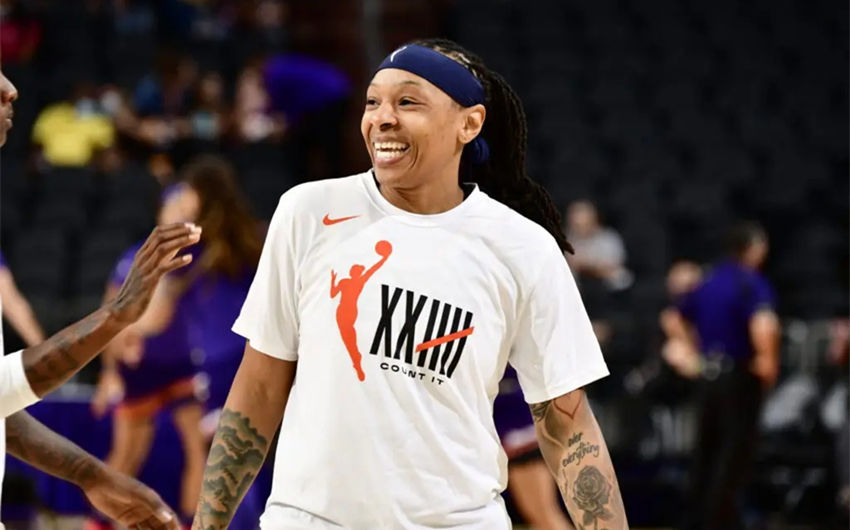
Emma Cannon is the kind of basketball player you notice when you’re paying attention to effort plays. You don’t follow her for flashy highlights as much as you follow her for hustle: rebounds in traffic, hard screens, quick put-backs, and energy that changes a second unit’s tone. If you’re here for the basketball Emma Cannon—not the pop-culture name—this is the clear, on-court story of who she is and how her career has unfolded.
Who is Emma Cannon in basketball?
Emma Cannon is a professional basketball player best known for her time in the WNBA as a forward whose game centers on physicality, rebounding, and doing the work that doesn’t always show up in a highlight reel. She’s often described as a high-motor role player—someone teams can plug into short stretches to stabilize the glass, raise defensive intensity, and keep possessions alive.
If you’ve ever watched a game and thought, “We just need someone to win the messy minutes,” that’s the lane Cannon has carved out in pro basketball.
What position does Emma Cannon play?
Emma Cannon primarily plays forward. Depending on the roster and matchup, you’ll see her used as a small-ball big or a traditional forward who battles inside. Her value comes from:
- Rebounding: creating extra possessions and ending opponent possessions.
- Physical defense: absorbing contact and making opponents work.
- Energy minutes: sprinting the floor, setting screens, crashing the paint.
In other words, she’s not usually asked to be the first option. She’s asked to be reliable in the places that help stars stay stars.
Emma Cannon’s college basketball background
College is where you can see the blueprint for Cannon’s pro role: she built a reputation as a tough, productive player who could impact games without needing the offense run through her every possession. Her college years helped sharpen the traits that translate best to the pro level:
- Reading rebounds and carving out space
- Playing through contact
- Scoring efficiently around the rim
- Holding her own defensively in the paint
If you’re trying to understand why she kept getting chances in pro systems, it’s because coaches love players who can contribute to winning without requiring a high-usage role.
How Emma Cannon made it to the WNBA
Cannon’s WNBA path is best described as persistent. Not every player enters the league as a first-round, “instant starter” storyline. Some build careers the hard way—short contracts, training camps, waivers, re-signings, and constant competition for roster spots.
That kind of career demands two things:
- Pro-level readiness: you have to help right away when your number is called.
- Emotional stamina: you can’t fall apart when your situation changes fast.
Cannon’s ability to keep reappearing in professional opportunities is a signal that teams see something useful: rebounding, effort, and a body willing to do physical work.
Teams and the “journeyman” reality
When you look at Emma Cannon’s career, you’ll notice movement—different teams, different roles, and changing opportunities. That isn’t unusual for players whose value is specialized. In the WNBA especially, roster spots are limited, contracts are competitive, and teams make quick decisions based on matchup needs and cap realities.
If you’re wondering what that says about her, it’s this: she’s the type of player coaches want available. She may not always be the centerpiece of a long-term build, but she’s often the kind of piece a team adds when it needs:
- extra size and rebounding
- more physicality
- a frontcourt player who will play hard without needing touches
That is a real, valuable role—especially in a league where the margin between winning and losing can be a handful of possessions.
What Emma Cannon does well on the court
If you’re evaluating Cannon as a basketball player, start with the fundamentals that win professional minutes.
Rebounding and second-chance possessions
Rebounding isn’t just height. It’s timing, positioning, and willingness to absorb contact. Cannon’s calling card is her willingness to fight for boards. That can change a game in subtle ways: a second-chance bucket here, a denied put-back there, a star teammate getting an extra shot because you kept the possession alive.
Screen setting and dirty-work offense
Players like Cannon often create offense without “scoring plays.” A good screen forces a switch. A hard roll collapses a defense. A seal on the block opens a driving lane. Even when she isn’t taking the shot, she can help the offense function smoother—especially with guards who thrive off space and rhythm.
Defense that prioritizes toughness
In short stints, her defense often looks like intensity: contesting inside, keeping position, and making post players work. She’s not typically framed as a flashy shot-blocking specialist; she’s more the type who makes opponents uncomfortable with strength and persistence.
Why coaches keep giving her chances
At the pro level, coaches love players who understand their lane. Cannon’s lane is clear. She’s not trying to be a point-forward playmaker or a high-volume scorer. She’s trying to win her minutes by:
- controlling the glass
- playing physical defense
- moving with urgency
- finishing simple plays when they’re there
That kind of clarity matters. A role player who knows what to do can be more valuable than a player who’s more talented but uncertain or inconsistent.
What her career says about the WNBA roster squeeze
Emma Cannon’s journey also tells you something bigger about the WNBA: it’s brutally competitive. Teams carry small rosters, and a lot of talented players cycle through camps and short contracts. Being “good enough” is not always enough—you have to fit a need at the exact moment a team has that need.
So when you see Cannon’s name pop up in different places, it reflects the league’s reality:
- teams optimize constantly
- frontcourt needs change with injuries and matchups
- every roster spot has to justify itself quickly
If you respect the grind side of pro sports, this is exactly the kind of career that earns respect: showing up, staying ready, and doing the hard parts.
How to describe Emma Cannon’s playing style in one sentence
Emma Cannon is a high-motor forward who earns minutes through rebounding, toughness, and reliable “do-the-work” basketball.
Common questions people ask about Emma Cannon
Is Emma Cannon a WNBA player?
Yes, she’s best known for playing professionally in the WNBA as a forward, often in a role-player and energy-minute capacity.
What is Emma Cannon known for?
She’s known for rebounding, physical play, and providing hustle minutes—especially as a bench forward who can change the tone of a game with effort.
Why is it hard to track her exact team?
Because players in specialized roles can move between teams, camps, and short-term contracts. That’s a normal part of the WNBA’s tight roster and salary-cap dynamics.
Featured Image Source: https://justwomenssports.com/reads/emma-cannon-wnba-undrafted-indiana-fever-overseas-career/