John MacArthur Biography: Age, Family, Church Legacy, Controversies, Books, Net Worth Today
John MacArthur was one of the most influential—and most debated—American evangelical pastors of the modern era. In this john macarthur biography, you’ll find the basic facts people look for first (age, height, family, and net worth), plus the full story of how he built a decades-long pulpit ministry, a global preaching platform, and a legacy that drew both intense loyalty and intense criticism.
Basic Facts About John MacArthur
- Full name: John Fullerton MacArthur Jr.
- Known as: John MacArthur
- Born: June 19, 1939
- Died: July 14, 2025
- Age at death: 86
- Birthplace: Los Angeles, California, USA
- Nationality: American
- Religion: Christianity (evangelical)
- Role: Pastor, theologian, author, broadcaster
- Known for: Longtime pastor of Grace Community Church; founder of “Grace to You”; MacArthur Study Bible
- Years at Grace Community Church: 1969–2025
- Education: Los Angeles Pacific College (B.A.); Biola University/Talbot Theological Seminary (M.Div.)
- Height: Not officially published; often described as tall (some sources list about 6’3”, but this is not universally confirmed)
- Wife: Patricia Sue Smith (married in 1963; married until his death)
- Children: 4 (Matt, Marcy, Mark, and Melinda)
- Grandchildren: 15 (reported)
- Great-grandchildren: 9 (reported)
- Estimated net worth: Approximately $10–$15 million (public estimate; not officially verified)
Early Life: A Los Angeles Childhood and a Family Line of Preachers
John MacArthur’s story began in Los Angeles, where he was born on June 19, 1939. His background is often described as shaped by a strong family culture of faith and ministry. That heritage mattered because MacArthur did not present himself as someone who “found religion” later in life. Instead, he became known as a man who believed Christianity was the center of life from the start, and who built his public identity around teaching the Bible with precision and certainty.
As a young man, MacArthur had interests outside church life, including athletics. He once spoke about dreams that looked more like a typical American youth path before a serious car accident as a teenager affected his direction. The turning point in his story, however, wasn’t a sudden personality flip. It was a gradual tightening of focus—moving from general faith to a laser-like commitment to preaching and theological training.
Education and Training: A Mind Built for Structure
MacArthur’s education shaped the “tone” people later associated with him: organized, direct, and heavily text-driven. He earned a bachelor’s degree from Los Angeles Pacific College and later completed a Master of Divinity at Talbot Theological Seminary (Biola University). That academic path placed him within a conservative evangelical world that valued doctrinal clarity, biblical authority, and careful interpretation.
He became especially identified with expository preaching, a style that aims to explain Scripture line by line, section by section, rather than using the Bible as a springboard for topical speeches. Supporters loved this approach because it felt serious, grounded, and “timeless.” Critics sometimes argued it could become rigid, leaving less room for nuance, culture, or the lived complexity of modern problems. Either way, it became his signature.
Grace Community Church: The Pulpit That Became a Platform
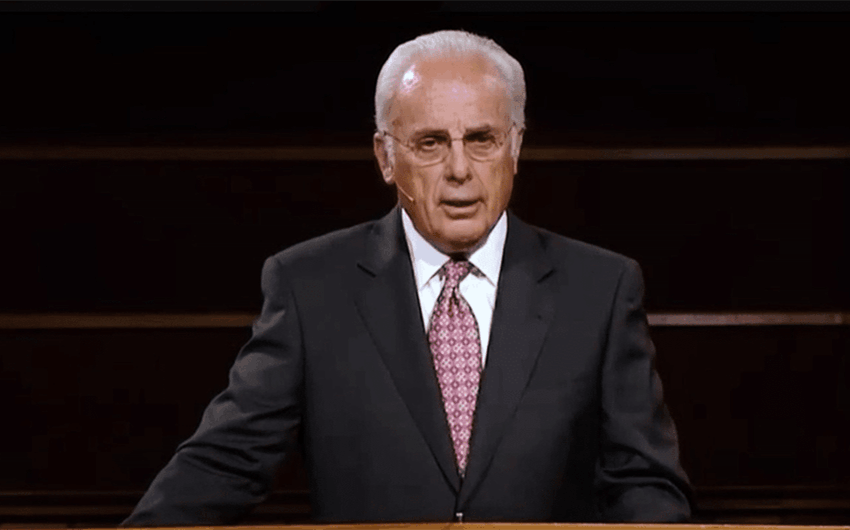
In 1969, MacArthur became pastor-teacher of Grace Community Church in Sun Valley, a neighborhood in Los Angeles. What followed is rare in American church leadership: a single pastor staying in one pulpit for more than five decades. That longevity gave him something powerful—stability. Many pastors build influence by moving to larger churches; MacArthur built influence by turning one church into a global broadcast hub.
Over time, Grace Community Church became known for strong preaching, a serious approach to theology, and a culture that emphasized church authority and discipline. For admirers, it was a model of doctrinal courage in an era they believed was drifting. For critics, it was a place where leadership could become too controlling, especially in sensitive family situations. Those tensions became part of the broader MacArthur story as his influence grew.
Grace to You: Turning Sermons Into a Worldwide Ministry
MacArthur’s impact expanded dramatically through Grace to You, his radio and media teaching ministry. The concept was simple but effective: record sermons, distribute them widely, and make consistent Bible teaching accessible to people who would never sit in the Sun Valley sanctuary. In an era when religious broadcasting helped shape American culture, MacArthur’s steady delivery and “Bible-first” posture found a huge audience.
Grace to You also strengthened his reputation among pastors. Many church leaders listened to his sermons not only for spiritual encouragement, but as a model for how to preach. This helped create a second layer of influence: MacArthur wasn’t just shaping church members—he was shaping the preachers who shaped church members.
The Author Era: The MacArthur Study Bible and a Massive Library of Books
MacArthur wrote or edited a large number of Christian books, commentaries, and study resources, but the most widely recognized work connected to his name is the MacArthur Study Bible. For fans, it offered two things at once: a readable Bible text and detailed notes explaining how MacArthur interpreted key passages. It became popular across conservative evangelical circles and was translated into many languages, further expanding his reach globally.
His writing style followed the same pattern as his preaching: direct, confident, and grounded in his theological framework. Readers who agreed with his doctrine often found his notes extremely helpful. Readers who disagreed sometimes felt the material pushed one interpretive lens too strongly. That divide—clarity versus complexity—shows up again and again in how people talk about him.
The Master’s University and Seminary: Training the Next Generation
MacArthur’s legacy is not only measured by sermons or books. It’s also measured by institutions. He served in leadership roles connected to The Master’s University and The Master’s Seminary in Southern California, where many students trained for ministry in a doctrinal environment that reflected his convictions. This created a pipeline of pastors and teachers who carried MacArthur’s influence into churches around the country and the world.
To supporters, this was vital: a way to protect “sound doctrine” and strengthen preaching quality. To critics, it sometimes looked like an ecosystem that reinforced one worldview too strongly, leaving less room for disagreement or broader evangelical diversity.
Beliefs and Public Identity: Why He Was So Admired
MacArthur became a defining figure for many conservative evangelicals because he offered certainty. His preaching rarely sounded unsure. He spoke as if the Bible had clear answers and as if Christians should be unafraid to stand against cultural trends. He was also known for criticizing theological movements he believed were shallow or unbiblical, including strands of charismatic Christianity and prosperity teaching.
Supporters admired him for what they saw as courage and consistency. They viewed him as someone who refused to bend to public pressure. They often described his sermons as “meat,” not “milk,” meaning serious teaching rather than inspirational entertainment.
He also became strongly associated with complementarianism, the belief that men and women have different roles in church leadership and that pastoral authority should be held by men. This stance earned him deep support in some circles and strong rejection in others, especially as broader evangelical debates about gender roles intensified.
Controversies: The Parts of His Legacy People Still Debate
COVID-19 Restrictions and the Legal Battles
During the COVID-19 pandemic, MacArthur and Grace Community Church gained national attention for continuing indoor worship services and challenging public health orders. The church argued the restrictions violated religious freedom, while critics argued the church was risking public health and politicizing worship. The clash became a major headline moment that introduced MacArthur to people who had never listened to a single sermon of his.
For supporters, the stance matched MacArthur’s lifelong posture: the church answers to God, not the state. For critics, it looked like stubbornness that could endanger vulnerable people. The fact that the conflict played out publicly, in courtrooms and national media, ensured it would remain part of his public biography forever.
Accusations About Handling Abuse and Counseling Cases
MacArthur’s church also faced serious criticism related to how leaders handled allegations of abuse and how they counseled women in difficult marriages. These stories became painful flashpoints in Christian media and survivor advocacy conversations. Supporters argued that church discipline and reconciliation are biblical principles that can be misunderstood by outsiders. Critics argued that church authority, when misused, can pressure victims into silence or unsafe situations.
This part of his legacy is complicated because it involves personal stories, church policies, and deeply emotional harm claims. What is clear is that the criticism affected how many people, including Christians, evaluated MacArthur’s leadership and the culture surrounding him.
A “Culture Warrior” Reputation
MacArthur was often described as a “culture warrior,” especially later in life. He criticized trends he viewed as compromising Christian truth, and he was willing to publicly rebuke well-known figures he disagreed with. Admirers loved his boldness. Detractors felt the posture could become harsh, divisive, and overly political—even when the core argument was theological.
Whether someone saw him as a defender of truth or an unnecessary antagonist often depended on one question: did they share his worldview? If they did, his tone felt like strength. If they didn’t, it felt like hostility.
Marriage and Family: Patricia MacArthur and Their Children
John MacArthur married Patricia Sue Smith in 1963, and their marriage lasted until his death in 2025. In a public ministry life filled with controversy, the stability of his family life was a consistent theme. He often spoke about his wife with appreciation, and many supporters viewed their long marriage as evidence of personal steadiness behind the pulpit persona.
Together, John and Patricia had four children—commonly listed as Matt, Marcy, Mark, and Melinda. Public reporting at the time of his death also noted a large extended family, including 15 grandchildren and nine great-grandchildren. That big family detail mattered to supporters because it fit the “legacy” image: a pastor whose influence reached not only through institutions, but through a growing family tree.
Health Struggles and Final Years
In his later years, MacArthur faced serious health issues involving his heart and lungs. Reports described multiple procedures and extended recovery periods. He spoke openly at times about being near the end of his life, framing his declining health through the lens of faith and gratitude. Even as his public activity slowed, his recorded sermons and published works continued circulating, which is one reason his influence remained strong even when he was less visible in person.
John MacArthur died on July 14, 2025, at age 86, after being hospitalized with pneumonia. His death prompted strong reactions across the evangelical world—praise from those who believed he strengthened biblical preaching, and renewed criticism from those who believed his leadership caused harm in specific cases. In other words, his death did not end the debate about his legacy; it intensified it.
Net Worth: How Much Was John MacArthur Worth?
John MacArthur’s exact finances were not publicly documented in a single verified report, and many of the numbers online come from estimate-based celebrity wealth sites. Still, because he spent decades as a high-profile pastor, bestselling author, conference speaker, and broadcast figure, public estimates often place his net worth in the $10 million to $15 million range.
That estimate is typically explained through multiple income streams:
- Book royalties: Dozens of titles and long-running study resources
- Media reach: Sermons distributed globally through broadcast and digital platforms
- Speaking engagements: Conferences and events over many decades
- Long-term ministry work: A public role that likely included salary and benefits
It’s worth saying plainly: this is an estimate, not a guaranteed fact. But it gives readers a realistic picture of how a major religious media figure can build wealth over a lifetime—especially through publishing and long-term brand reach.
Legacy: How People Will Remember John MacArthur
John MacArthur’s legacy is powerful because it is not one-dimensional. He will be remembered as a preacher who pushed expository teaching into the mainstream, an author whose study Bible shaped millions of readers, and a leader who trained pastors through institutions that continue after him. He will also be remembered as a man who fought cultural battles publicly and who attracted severe criticism for how his church handled certain pastoral care situations.
For supporters, he was a defender of biblical authority in an age of compromise. For critics, he represents what can go wrong when certainty hardens into control. For many observers, he is both: an undeniable theological force and a cautionary example of how influence can magnify every strength and every weakness.
Even after his death, his sermons will keep circulating, his books will keep selling, and debates about his impact will continue. That is the mark of a figure who truly shaped a movement: people do not stop talking about him, because his work is still sitting on shelves, still in earbuds, still shaping churches, and still forcing hard conversations.
image source: https://khcb.org/khcb/remembering-john-macarthur-a-life-of-faithful-biblical-teaching/