Engelbert Humperdinck Biography: Age, Height, Wife, Kids, Hits, Net Worth, Legacy Today
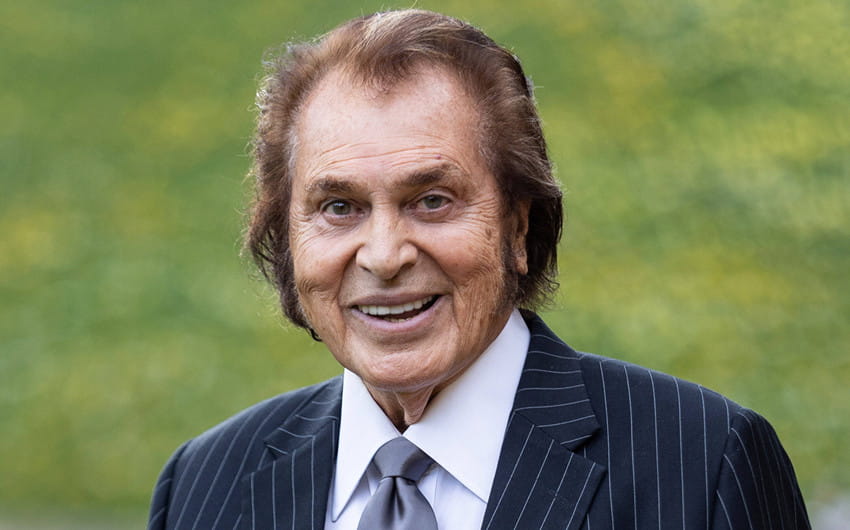
Engelbert Humperdinck is one of those rare singers whose voice can instantly pull you into a different era—when romantic ballads ruled radios, and stage charm mattered as much as the melody. In this Engelbert Humperdinck biography, you’ll learn the basic facts people search for most—his age, height, family, and net worth—plus the full story of how Arnold George Dorsey reinvented himself into an international superstar with a career that has lasted for decades.
Basic Facts About Engelbert Humperdinck
- Real name: Arnold George Dorsey
- Stage name: Engelbert Humperdinck
- Born: May 2, 1936
- Birthplace: Madras (now Chennai), India
- Age: 89 (as of 2025; turns 90 in 2026)
- Nationality: British
- Height: Commonly reported around 5 ft 10 in (about 1.78 m)
- Profession: Singer, performer
- Genres: Traditional pop, easy listening
- Years active: 1956–present
- Most famous hits: “Release Me,” “The Last Waltz,” “A Man Without Love,” “After the Lovin’,” “There Goes My Everything,” “Quando Quando Quando”
- Spouse: Patricia Healey (married 1964; she died in 2021)
- Children: 4 (3 sons and 1 daughter)
- Estimated net worth: Around $15 million (public estimates vary)
Early Life: Born in India, Raised in England
Engelbert Humperdinck was born Arnold George Dorsey on May 2, 1936, in Madras (now Chennai), India, where his father was stationed with the British Army. When Arnold was still a child, his family moved to Leicester, England, and that city became a major part of his identity. Even decades later, fans and interviewers often connect him to Leicester because it’s where he grew up, learned the rhythms of British life, and began building the confidence that would eventually power his stage career.
Music pulled him in early, but not in the flashy “child star” way. He learned instruments and soaked up performance culture at a time when live entertainment mattered. The world he grew up in wasn’t built on viral clips or instant fame—it was built on grinding, practicing, and earning your place on a stage one night at a time.
The First Stage Name: “Gerry Dorsey” and the Long Road Up
Before the world knew him as Engelbert Humperdinck, he performed under a different name: “Gerry Dorsey.” In the late 1950s and early 1960s, he worked the circuit like countless other hopeful singers, doing shows, trying to get noticed, and learning what kind of performer he truly was. These years were crucial because they taught him the hardest lesson in entertainment: talent alone isn’t enough. You need an identity people can remember, and you need a sound that stands out.
His early progress was interrupted by military service, which was common for young men in the UK during that time. When he returned, he kept chasing music, still searching for the combination of look, voice, and branding that would turn a working singer into a star.
The Reinvention: Why the Name “Engelbert Humperdinck” Changed Everything
Every successful artist has a turning point, and for Humperdinck, it was a full reinvention. He partnered with manager Gordon Mills, the same manager associated with other major artists of the era. Mills urged him to adopt a more distinctive stage name, and Arnold Dorsey became “Engelbert Humperdinck,” borrowing the name from the German composer.
It sounds unusual—almost risky—but that was the point. The name was impossible to ignore. It was memorable on posters, catchy in conversation, and it separated him from the sea of singers with ordinary names. More importantly, the new name came with a new presentation: romantic, stylish, and built for big ballads.
“Release Me” and the Explosion of 1967
In 1967, everything snapped into place. “Release Me” became the record that turned him into an international phenomenon. The song wasn’t just popular—it was everywhere, dominating airwaves and making him a household name. His appeal wasn’t complicated: a strong, emotional voice; a handsome, charismatic image; and songs that made listeners feel like they were hearing a personal confession.
That same era brought other major hits, including “There Goes My Everything” and “The Last Waltz.” In a short stretch, he went from being a working entertainer to being one of the defining romantic voices of the late 1960s. For fans, he wasn’t simply a singer—you could argue he became a soundtrack for weddings, slow dances, and breakups all at once.
The Look, the Voice, and the Fan Culture
Engelbert Humperdinck’s rise also came from a complete package. His vocal range and tone were made for dramatic pop ballads. He could sound tender without sounding weak, and powerful without sounding harsh. He also had the matinee-idol image that studios and promoters loved: thick hair, confident posture, and a stage presence that leaned into romance without turning into parody.
He developed a famously devoted fan base, especially among women, and his concerts became more than performances—they became events. This is an underrated part of his legacy: he wasn’t a “one-hit wonder” singer with a brief chart moment. He built a loyal audience that stayed with him as musical trends changed around him.
Staying Relevant After the 1960s: Not Easy, but He Did It
Many pop stars from the 1960s struggled to keep momentum when rock, disco, punk, and later synth-driven pop took over. Humperdinck lasted because he didn’t panic and chase every trend. Instead, he leaned into what he did best: timeless love songs, strong live shows, and a style that fit places like Las Vegas—where audiences still wanted glamour and big vocals.
He continued recording and touring through the 1970s and beyond, adding songs like “After the Lovin’” to his list of defining tracks. Over time, he became one of those performers who could fill theaters on reputation alone—people came because they trusted the experience.
Las Vegas, Touring, and the Working-Man Schedule of a Crooner
Humperdinck’s career wasn’t only built in studios. It was built on the road. He became known for extensive touring schedules, including major runs in Las Vegas, where the classic “showman singer” tradition remained strong. Vegas audiences love performers who can deliver a full evening of mood, charm, and recognizable songs, and Humperdinck fit that world perfectly.
Even as he got older, he kept returning to the stage. That choice says a lot. Some entertainers retire as soon as they can. Others stay because performing is part of who they are. Humperdinck’s long career suggests the second type: the stage wasn’t just a job—it was home.
Personal Life: Marriage to Patricia Healey and Their Family
Behind the glamorous public image was a long marriage that mattered deeply to him. Engelbert Humperdinck married actress Patricia Healey in 1964, and they built a life together that lasted for decades. The couple had four children—three sons and one daughter—often named in public profiles as Bradley, Jason, Scott, and Louise.
Humperdinck’s career required constant travel, which is never easy on family life. Still, Patricia remained a steady presence in his world for most of his adult life. In 2021, she died at age 85, and public reports at the time noted that she had been battling Alzheimer’s while the couple was also dealing with COVID-19. Her death marked the end of a defining chapter in his personal story.
Children and Family Today
Humperdinck’s children have largely stayed out of the nonstop spotlight, especially compared to modern celebrity families. That privacy is not unusual for artists from his era. They often kept family life separate from the brand. Still, his role as a father is frequently mentioned by fans because it adds dimension to the romantic stage persona. It’s easy to see him only as “the ballad guy,” but his real life included the same responsibilities everyone faces: raising kids, protecting relationships, and surviving personal loss.
How Much Is Engelbert Humperdinck Worth?
Engelbert Humperdinck’s exact net worth is not publicly confirmed through audited financial statements, so any figure online is an estimate. A commonly circulated estimate places his net worth around $15 million, with some sources listing higher or lower numbers depending on how they calculate touring income, royalties, property, and long-term investments.
His wealth generally comes from several long-term streams:
- Record sales: Especially the peak years of the late 1960s and 1970s, when physical sales were huge.
- Touring: Decades of live performances, including major international runs and Las Vegas-style engagements.
- Royalties and licensing: Ongoing income from classic recordings used in compilations, radio, and media.
- Brand value: A recognizable name that continued drawing audiences even as the industry changed.
The simplest way to understand his finances is this: Humperdinck didn’t build wealth from one hit. He built it from endurance—turning fame into a multi-decade working career.
Why His Songs Still Work on Modern Audiences
Some artists sound locked into their time period. Humperdinck’s best recordings don’t, because they focus on emotions that never age: longing, devotion, regret, and hope. “Release Me” still hits because the feeling is universal. “After the Lovin’” still resonates because it captures that quiet heartbreak people don’t always say out loud.
Another reason his music lasts is his voice. Even listeners who don’t normally seek out classic pop tend to respond to singers who can truly carry a melody. Humperdinck’s delivery has always been confident and clear, which makes the songs feel “real” instead of overacted.
Legacy: A Classic Crooner Who Refused to Disappear
Engelbert Humperdinck’s legacy is bigger than chart positions. He represents a type of star that is less common now: a vocalist-first entertainer who built his reputation through live performance, romantic storytelling, and a consistent relationship with his audience. He didn’t reinvent himself every year. He refined what he did best, again and again, until it became his signature.
He also proved that you don’t have to be the trend to be successful. Trends change fast. A strong voice and a loyal audience can last a lifetime. That’s why, even in his late 80s, Humperdinck has remained a touring name people recognize. Fans don’t show up only for nostalgia. They show up for the feeling his music still creates.
image source: https://www.hellorayo.co.uk/greatest-hits/entertainment/music/engelbert-humperdinck-karaoke-music