Alex Turner Biography: Arctic Monkeys Frontman, Age, Height, Partner, Net Worth Today
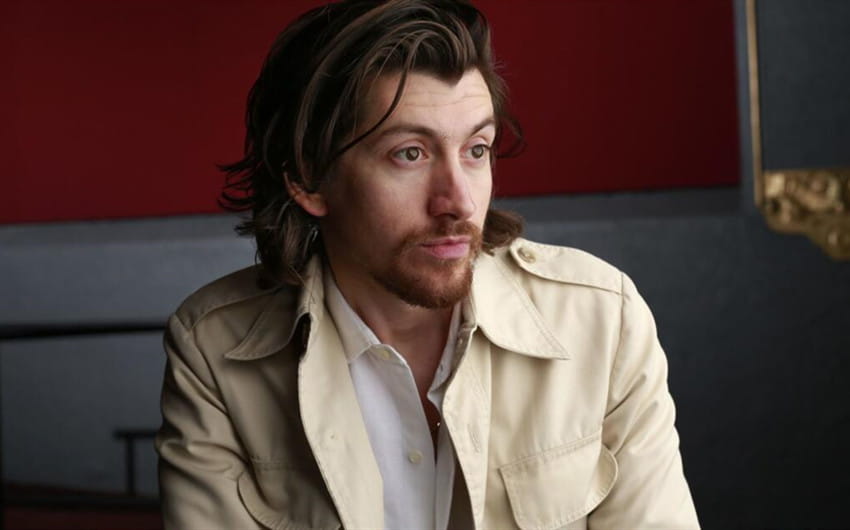
Alex Turner is the kind of songwriter who can make everyday life sound cinematic, whether he’s describing a late-night taxi ride or a messy relationship. This alex turner biography walks through his early years in Sheffield, the rise of Arctic Monkeys, his side projects, and the reputation he’s built as one of Britain’s most distinctive modern lyricists.
Basic Facts About Alex Turner
- Full name: Alexander David Turner
- Born: January 6, 1986
- Birthplace: Sheffield, England
- Age: 40 (as of January 2026)
- Height: Commonly reported around 5 ft 11 in (about 1.80 m)
- Nationality: British
- Occupations: Singer, songwriter, guitarist, musician
- Best known for: Frontman and principal songwriter of Arctic Monkeys
- Also known for: The Last Shadow Puppets
- Parents: Penny Turner (teacher) and David Turner (teacher)
- Siblings: None (only child)
- Relationship status: Not married
- Partner: Widely reported to be in a long-term relationship with French singer Louise Verneuil
- Children: None publicly reported
- Estimated net worth: Around $20–$30 million (public estimates vary)
Early Life in Sheffield: A Music-Loving Home With Real-World Normalcy
Alex Turner was born and raised in Sheffield, specifically the suburb of High Green, in a home that blended structure with creativity. His parents worked as secondary school teachers, and that “ordinary life” foundation is a big part of why his later fame never completely swallowed him. He didn’t grow up in the entertainment business. He grew up around school routines, quiet ambition, and the idea that you get good at something by sticking with it.
Music entered early. Turner has often been described as a kid surrounded by records and influences, and he learned instruments when he was young. But what really separated him wasn’t just playing guitar—it was how he listened. Even in his earliest Arctic Monkeys writing, you can feel someone who pays attention to detail: the slang, the pacing of a conversation, the way a night out turns from fun to strange in five minutes.
How Arctic Monkeys Started: Friendship, Guitars, and a Perfect Moment in Time
Arctic Monkeys didn’t form as a corporate invention. They formed the way many real bands do—friends who wanted to make noise and found chemistry fast. Turner became the voice and primary lyric writer, which is a heavy responsibility in a band that would soon be judged mainly by its words. Many groups can create riffs. Fewer create lines people quote for years.
Their rise also happened at a unique cultural moment. The internet was changing how music traveled, and Arctic Monkeys became famous in a way that felt new at the time. Fans shared songs online, traded burned CDs, and built hype before the traditional industry machine fully caught up. That early groundswell mattered because it gave the band a “people chose this” legitimacy, not just “radio forced this.”
The Breakthrough Era: Lyrics That Sounded Like Real Nights Out
When Arctic Monkeys exploded, it wasn’t only because they were tight musically. It was because Turner wrote like a camera. His early lyrics captured British youth culture with sharp honesty—nights out, door queues, flirting, ego, boredom, and the weird confidence people fake when they’re young. He didn’t write like someone trying to sound poetic. He wrote like someone reporting from inside the scene.
That approach made him a generational voice almost overnight. People who had never cared about lyric writing suddenly cared, because his lines felt like they were pulled from real conversations. And even when the stories were exaggerated, the emotions weren’t. That’s why the songs aged well: they weren’t built on trends, they were built on human behavior.
Growing Up in Public: Changing Sound Without Losing Identity
Many bands get trapped by the sound that made them famous. Arctic Monkeys didn’t. Over time, Turner steered the band through big shifts: heavier riffs, darker moods, glam touches, and later, smoother and more cinematic songwriting. What stayed consistent was his voice as a writer—observant, witty, and increasingly interested in atmosphere.
As he matured, his lyrics changed too. The early work felt like street-level realism. Later work became more stylized, more surreal at times, and more focused on mood than plot. Some fans prefer the early “night out” era. Others love the later era because it shows ambition and risk. Either way, the shifts proved Turner wasn’t content repeating the same album forever.
The Last Shadow Puppets: A Second Stage for a Different Personality
Turner’s best-known side project is The Last Shadow Puppets, where he worked closely with Miles Kane. The project gave him a different canvas—more theatrical, more romantic, and more openly influenced by classic pop and orchestral textures. It also revealed a different version of Turner as a performer.
With Arctic Monkeys, he often feels like the narrator of a scene. With The Last Shadow Puppets, he can feel like a character in a film. The writing leans into drama and flair, and it shows how wide his taste really is. This wasn’t a side project to “stay busy.” It was a place where he could explore songwriting without the expectations attached to the Arctic Monkeys name.
Stage Presence: From Shy Frontman to Confident Performer
Early Turner performances had a nervous energy—talented, but not fully comfortable with the attention. Over the years, he evolved into a frontman with a clear point of view. That doesn’t mean he became a typical “look at me” rock star. It means he became someone who understands the stage as part of the art.
His style shifts became part of the story too: the hair, the suits, the swagger in certain eras, the more restrained cool in others. Some people fixate on the visuals, but the deeper truth is that Turner uses presentation the way he uses lyrics: to set a tone. Even when he changes, it usually feels intentional.
Songwriting Style: Why His Lyrics Hit So Hard
Alex Turner’s lyric reputation is not hype. His writing has a few trademarks that show up again and again:
- Specific detail: He uses small, precise images that make scenes feel real.
- Natural rhythm: His lines often sound like speech, even when they’re clever.
- Humor and bite: He can be funny without turning the song into a joke.
- Emotional restraint: He rarely begs for sympathy; he lets the scene speak.
- Growth over time: His later writing shows a love for mood, mystery, and odd turns of phrase.
He also understands something crucial: great lyrics don’t just describe feelings. They create them. Even when you don’t share his exact experience, you can feel the tension in the room he’s describing.
Relationships and Personal Life: Private, But Not Invisible
Turner has never built his brand around oversharing. He’s not the type to post his relationship life constantly or turn every personal moment into content. That privacy is part of his mystique, but it also protects his work. When your job is writing lyrics that feel personal, keeping real life quieter can help you stay sane.
Over the years, he’s been linked to a few high-profile relationships, and fans often connect those eras to changes in his style and songwriting. In recent years, he has been widely reported to be in a long-term relationship with French singer-songwriter Louise Verneuil, with the pair first linked publicly in 2018. The relationship is generally described as private and low-drama, which fits Turner’s overall approach to fame.
He is not publicly known to be married, and there are no confirmed public reports that he has children.
How He Makes Money: Touring, Royalties, and Songwriting Power
For musicians at Turner’s level, income usually comes from several major streams. Arctic Monkeys have a catalog that keeps earning money year after year, which is where long-term wealth is built. New artists often rely heavily on touring. Established artists with big catalogs earn through a mix of touring and publishing.
- Touring: Arena and festival tours can generate major earnings, especially as a headliner.
- Songwriting royalties: As a primary writer, Turner benefits from publishing income when songs are played or licensed.
- Streaming and sales: A strong catalog can generate consistent revenue across platforms.
- Licensing: Songs used in films, series, trailers, or advertising can pay significantly.
- Side projects: Work outside Arctic Monkeys adds additional royalty and performance income.
Net Worth: How Much Is Alex Turner Worth?
Alex Turner’s net worth is not publicly confirmed through audited financial documents, so any figure you see online is an estimate. Still, most public estimates place him in the high eight figures. A fair, commonly cited range is $20–$30 million, with some sources clustering around the mid-$20 million mark.
The reason the number can vary is simple: it depends on what a site includes. Some estimates count only career earnings. Others include property, long-term assets, and assumptions about investments. The safest way to say it is this: Turner has built significant wealth through a long-running, globally successful catalog and years of major touring.
Legacy: A Modern British Icon Who Refused to Stay the Same
Alex Turner’s legacy is already solid. He’s one of the defining British songwriters of his generation, not because he chased prestige, but because he consistently wrote lines that felt true. He helped Arctic Monkeys become a band that didn’t just score hits, but shaped a whole era of indie rock culture—then survived long enough to reinvent their sound without losing their identity.
What makes his career especially impressive is that it doesn’t feel like one long victory lap. He has taken risks, changed direction, and accepted that not every fan will follow every turn. That’s what real artists do. They don’t repeat the same moment forever. They create new ones.
image source: https://www.latimes.com/entertainment/music/la-et-ms-arctic-monkeys-20180504-story.html